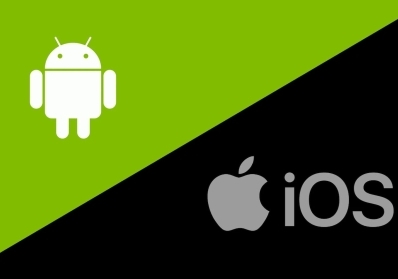
iOS vs. Android in 2025: Key Differences You Need to Know
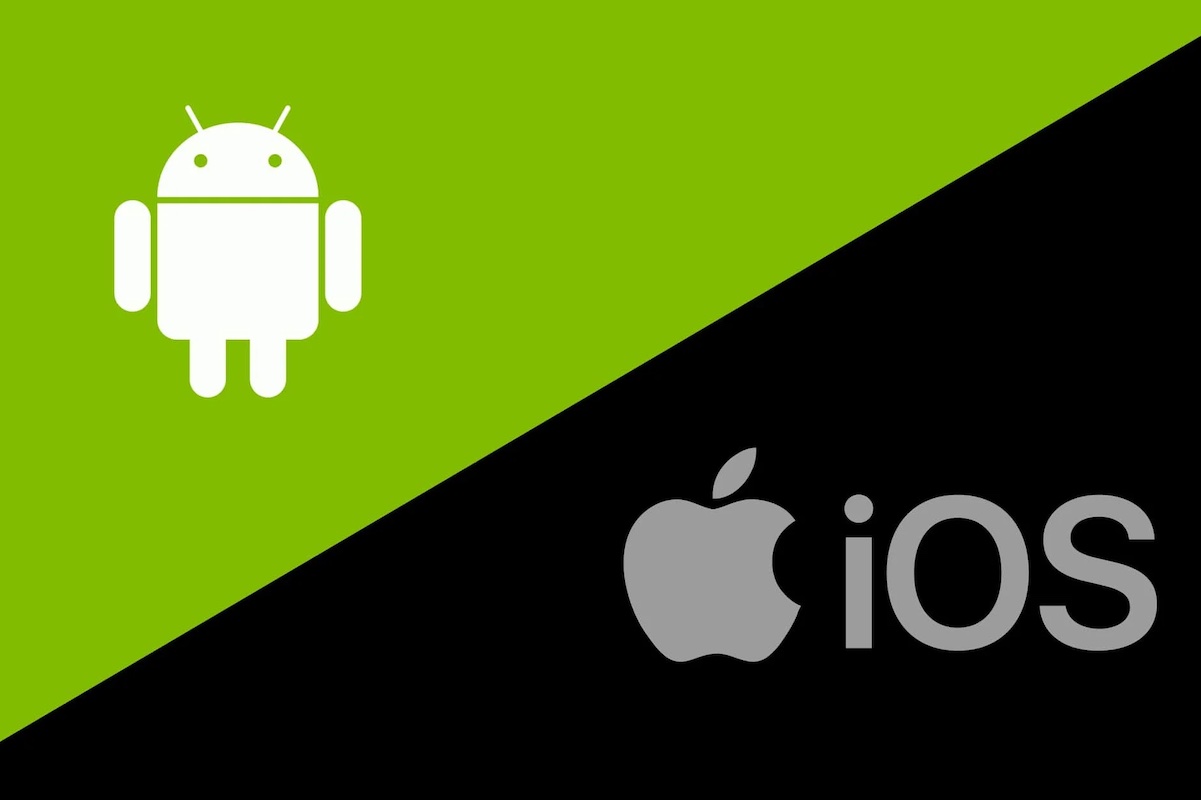
When it comes to smartphones, one of the biggest choices you'll face is the operating system. In 2025, the two major players — iOS (by Apple) and Android (by Google) — are more powerful, polished, and competitive than ever. But each platform takes a fundamentally different approach to how it handles customization, privacy, ecosystem integration, and even AI.
If you’re shopping for a new phone or just curious about how the two platforms compare today, you’ve come to the right place. This guide will break down all the key differences between iOS 18 and Android 15, helping you decide which one is the better fit for your lifestyle and preferences.
1. User Interface & Customization
iOS 18
-
Sleek, consistent interface across all Apple devices
-
Home Screen: Dynamic widgets, smart stacks, and app library
-
Still limited in customization: Icons can be moved or themed, but only within Apple’s design rules
Android 15
-
Highly customizable interface
-
Users can personalize themes, icons, widgets, launchers, even gestures
-
Google’s Material You allows for system-wide dynamic color theming based on your wallpaper
Verdict:
Android 15 wins for power users and tinkerers. If you love to personalize your phone, Android gives you far more freedom. iOS 18 remains clean and elegant — ideal for users who prefer simplicity and consistency.
2. App Ecosystem
iOS
-
App Store remains tightly curated for quality and security
-
Many apps still debut on iOS first (especially creative and productivity tools)
-
No sideloading or third-party stores without jailbreaking — though EU regulations now allow it in limited cases
Android
-
Google Play Store is vast, but quality control can vary
-
Sideloading apps and using third-party app stores (like F-Droid or Amazon Appstore) is easy and legal
-
Open system allows for more experimental or niche apps
Verdict:
iOS has a slight edge in premium apps and early releases. But Android provides more flexibility and access to a broader range of tools — if you know what you're doing.
3. Hardware Variety
iOS
-
Runs exclusively on Apple’s iPhones (iPhone 15/16 series and upcoming iPhone Ultra)
-
Consistent performance and optimization
-
Tight integration with Apple’s chips (A18 Bionic, etc.)
Android
-
Found on devices from Samsung, Google Pixel, OnePlus, Xiaomi, Motorola, and dozens more
-
Offers a wide range of choices at every price point — from $100 to $1,500+
-
Supports foldables, flip phones, rugged devices, gaming phones, etc.
Verdict:
Android dominates in terms of hardware diversity. Whether you want a foldable screen, a massive battery, or a phone under $200, Android has you covered. iOS only comes on premium-tier Apple devices.
4. AI & Smart Features (2025 Edition)
iOS 18
-
Apple Intelligence (AI system introduced in 2025) deeply integrated into Siri, Photos, Mail, Notes
-
Emphasis on on-device processing for privacy
-
Smart Summarize, AI image cleanup, and proactive suggestions across apps
Android 15
-
Google’s Gemini AI powers Assistant, search, photos, messages, and now Android system UI
-
Advanced features like Circle to Search, AI wallpapers, auto-reply, transcription, and document summarization
-
AI-driven live translation and screen scanning
Verdict:
Both platforms are deeply AI-infused in 2025. Apple focuses on privacy and simplicity, while Google emphasizes powerful features and integration. Android leads in AI flexibility and assistant capabilities, but Apple’s AI is more seamlessly baked into the system.
5. Privacy & Security
iOS
-
Strong privacy controls: app tracking transparency, mail privacy protection, and sandboxing
-
System-wide permission management is polished and user-friendly
-
On-device processing for photos, voice, and personal data
Android
-
Massive privacy improvements in Android 15, including enhanced permission monitoring and background access controls
-
Still a bit more open by design, which can pose risks with less reputable apps
-
Device-specific enhancements vary (Pixels lead in security updates)
Verdict:
iOS remains the gold standard for privacy out of the box. Android 15 has caught up significantly, but the experience depends on the manufacturer and user vigilance.
6. Ecosystem Integration
iOS (Apple Ecosystem)
-
Works flawlessly with iPads, Macs, Apple Watch, AirPods, Apple TV
-
Features like AirDrop, Universal Clipboard, Handoff, and Continuity Camera make Apple’s ecosystem incredibly fluid
-
iMessage and FaceTime are unmatched in quality within the Apple world
Android (Google Ecosystem)
-
Plays well with Chromebooks, Google Home, Nest, Wear OS watches
-
Nearby Share, Phone Hub, and cross-platform clipboard work well
-
RCS messaging is improving, but iMessage dominance still limits seamless texting across platforms
Verdict:
Apple's ecosystem is better integrated, especially if you already own multiple Apple devices. Google’s ecosystem is catching up and offers more cross-platform compatibility, but not quite as smooth.
7. Software Updates
iOS
-
Immediate updates for all supported iPhones (usually 5+ years)
-
iOS 18 runs on iPhone XR and newer
-
Updates are predictable, secure, and consistent
Android
-
Google Pixel phones get 7 years of updates (as of Pixel 8)
-
Samsung now offers 4–5 years on many models
-
Other brands vary — some only provide 1–2 years of support
Verdict:
Apple still leads in consistent, long-term updates across its entire device lineup. Pixel is catching up fast. Other Android brands lag behind.
8. Voice Assistants
iOS: Siri (2025)
-
Vastly improved with Apple Intelligence
-
More natural voice, context-aware replies
-
Still less capable in complex tasks compared to Google Assistant
Android: Google Assistant (Gemini-based)
-
Deep AI integration across apps and the web
-
Handles multi-step commands, summarization, language translation, and device control better
-
Pixel users get Gemini Nano (on-device AI)
Verdict:
Google Assistant remains the smartest, most capable voice assistant. Apple is improving rapidly, but it’s still catching up in complexity and functionality.
Final Thoughts: Which Should You Choose in 2025?
| Category | Winner |
|---|---|
| Customization | Android |
| App Quality | iOS |
| Hardware Options | Android |
| AI Features | Android (by a margin) |
| Privacy & Security | iOS |
| Ecosystem | iOS |
| Software Updates | iOS |
| Voice Assistant | Android |
Choose iOS 18 if you:
-
Value privacy and security above all
-
Already own other Apple products
-
Want a streamlined, polished experience
-
Prefer longer, more reliable software support
Choose Android 15 if you:
-
Want more freedom to customize your device
-
Need budget-friendly or diverse hardware options
-
Rely on Google services and smart AI tools
-
Prefer sideloading and app flexibility
No matter which side you choose, both platforms are incredibly mature in 2025 and offer world-class features. It’s less about which is better overall — and more about which one fits your digital lifestyle best.
Stay tuned to Mob-Finder.online for the latest reviews, comparisons, and insider tips from the world of mobile tech.
Thanks for reading,
David Delavari
Latest Articles

Latest Updates in Online Courses and Education.
At Mob-Finder.online, we believe that a smartphone review should be more than just a spec sheet recap or a quick...
Read MoreThe mobile technology world is moving faster than ever — and in 2025, we’re seeing breakthroughs that are set to...
Read MoreOnce upon a time, taking professional-looking photos required an expensive DSLR, bulky gear, and a deep understanding of photography. But...
Read MoreWith millions of mobile apps available across iOS and Android, finding the right tools to boost your productivity and bring...
Read MoreFoldable phones have transformed from futuristic concepts to real-world products in just a few years. In 2025, the market is...
Read MoreWhether you’re a power user or just want your phone to make it through the day, battery life is one...
Read MoreWhen it comes to smartphones, you don’t need to spend a fortune to get a reliable, high-performing device. As mobile...
Read MoreIn today’s hyper-connected world, mobile users are constantly chasing the fastest, most reliable internet connections — whether for streaming, gaming,...
Read MoreExploring the Ancient World: Bible History & Archaeology
Uncover the people, places, and events that shaped biblical and ancient history.
Dive into a rich collection of resources on ancient civilizations, biblical archaeology, and historical contexts. From the empires of Babylon and Assyria to the life of Jesus and the early church, discover maps, timelines, commentaries, and scholarly insights that bring the ancient world to life. Explore the intersection of faith, history, and archaeology with our curated articles, maps, and studies.